Teollisuusuutiset
Kotiin / Uutiset / Teollisuusuutiset / Kaupallinen kuutiojääpalakoneen ostoopas: keskeiset tiedot, jäätyypit ja valinta
2026-09-02
Viikonlopun huippu kertoo sinulle enemmän jääkoneesta kuin mikään tekninen tieto. Kahvila, joka myy 150 jääjuomaa kolmessa tunnissa, tarvitsee noin 70 kiloa kuutiojäätä. Ravintola, jossa on täysi baari, voi painaa 200 puntaa ennen illallispalvelun päättymistä. Kun jää loppuu, toiminta tuntuu heti: juomat hidastuvat, kustannukset nousevat ja asiakkaat huomaavat. Kaupallinen jääpalakone, jolla on oikea päiväteho, säilytyskapasiteetti ja jääkoko, pitää paineen poissa. Tässä oppaassa käydään läpi tärkeimmät tekniset tiedot, käyttöskenaariot ja ostoriskit.
Kotijääpalakoneet on rakennettu eri työhön. Tyypillinen tiskin alla oleva asuinyksikkö tuottaa 20–30 puntaa jäätä päivässä, mikä riittää neljän hengen perheelle. Vertailun vuoksi kaupallinen kuutiojääkone tuottaa 300–1 000 puntaa päivässä vakiokokoisina, ja raskaat mallit ylittävät 1 500 puntaa.
Erot ylittävät tuotannon. Kaupalliset yksiköt toimivat suuremmilla kompressoreilla, paksummilla höyrystinlevyillä ja ruostumattomasta teräksestä tai elintarvikekäyttöön tarkoitetuista muovikaapeista. Ne on suunniteltu jatkuvaan käyttöön: jään tuotanto alkaa sadonkorjuujakson jälkeen, korjataan 20–30 minuutin välein ja asettuu rytmiin, joka voi toimia 12, 16 tai 24 tuntia vuorokaudessa. Kodin yksiköt kiihtyvät samanlaisten syklien läpi, mutta niitä ei koskaan ole luokiteltu sellaiselle kuormitukselle.
Varastointikapasiteetti on toinen tärkeä ero. Kaupalliset jääpalakoneet tyypillisesti mukana tulee roskakori, johon mahtuu 200-500 puntaa, tai ne liitetään ulkoiseen jääastiaan. Asunnossa säilytetään pieni kori. Kahvilassa tai baarissa 300 kiloa valmista jäätä säiliössä tarkoittaa, että voit imeä kiireen odottamatta seuraavaa satoa.
Aloita arvioimalla jään huipputarpeesi. Nopea kaava on: juomien määrä × 0,2 - 0,35 puntaa jäätä juomaa kohti. 500 juoman päivä maitoteekaupassa on noin 175 kiloa jäätä. Lisää 20–30 prosenttia puskuriksi ruuhka-aikoina, ja tarvitset koneen, joka tuottaa 220–250 puntaa päivässä ja jossa on vähintään 150 puntaa säilytystilaa.
Kuution koko vaikuttaa juoman hintaan, jäähdytysnopeuteen ja ulkonäköön. Puolikkaat kuutiot ovat pieniä ja sulavat nopeasti, mikä sopii blenderijuomiin, mutta huono viskilasiin. Täydelliset kuutiot sulavat hitaasti ja anna jään olla juomassa pidempään. Jumbo-kuutiot ovat suuria, tasalaatuisia ja hitaasti sulavia, joten ne ovat ensisijainen valinta huippuluokan baareihin ja tapahtumapalveluun. Valitsemasi jääpalakoneen on vastattava haluamaasi kuutiotyyliä.
| Kuution koko | Tyypilliset mitat | Paras |
|---|---|---|
| Puolikas kuutio | 7/8" × 7/8" × 1" | Jäätee, virvoitusjuomat, cocktailit |
| Täysi kuutio | 1" × 1" × 1" | Kahvilat, ravintolat, baarit |
| Jumbo kuutio | 1,5" × 1,5" × 1,5" | Viskipalvelu, huippuluokan baarit, tapahtumat |
Ilmajäähdytteiset koneet on helpompi asentaa, koska ne tarvitsevat vain tilaa ilmanvaihdolle. Ne toimivat hyvin useimmissa sisäympäristöissä, mutta ovat herkkiä ympäristön lämpötilalle: jokainen aste yli 27 °C vähentää tuotantoa. Vesijäähdytteiset koneet käyttävät vesijohtoa lämmön siirtämiseen ja ovat tasaisempia lämpimissä keittiöissä, mutta ne vaativat jatkuvan vesilähteen ja tuottavat enemmän jätevettä. Ilmajäähdytteinen on yleensä oikea valinta pieneen kahvilaan ilmastoituun huoneeseen. Vilkkaassa keittiössä kuumalla alueella tai rajoitettu ilmanvaihto vesijäähdytys voi olla luotettavampi.
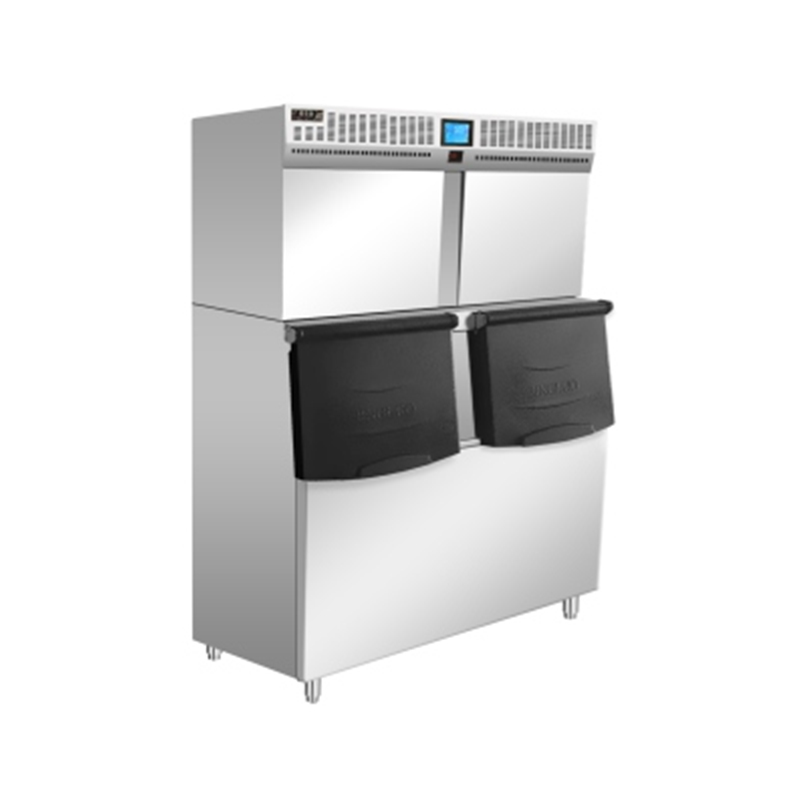
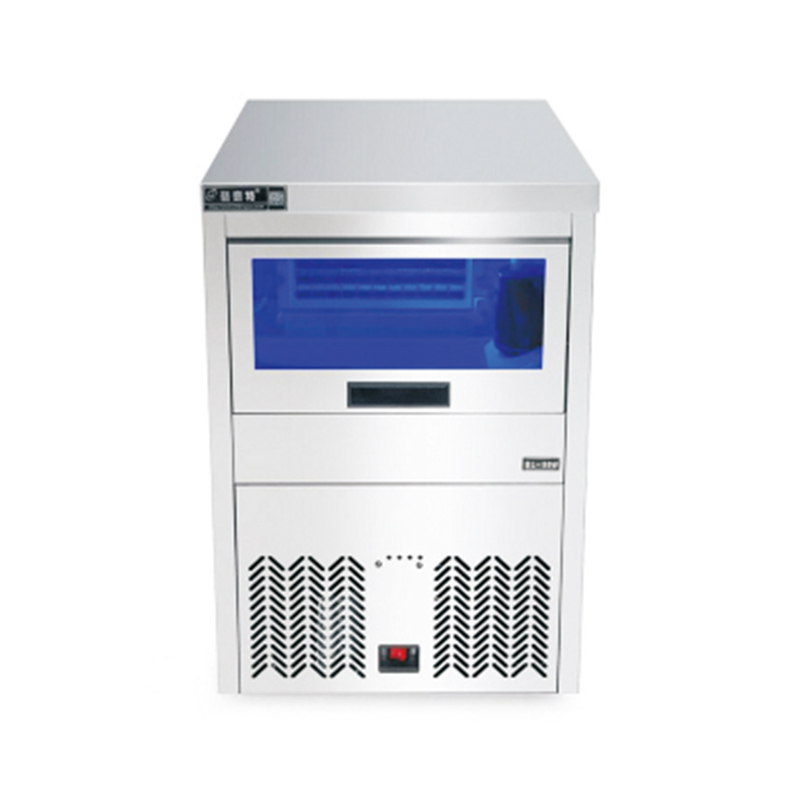 Suurikapasiteettinen Square Cube -jääkone kaupalliseen käyttöön Tämä laite tarjoaa älykkään LCD-näytön, automaattisen puhdistuksen ja UV-steriloinnin, mikä tuottaa laadukkaita neliömäisiä kuutioita. Tukevan kompressorin ja korroosionkestävän höyrystimen ansiosta se sopii kahviloihin, jotka tarvitsevat luotettavaa päivittäistä tuotantoa ja vähän huoltoa. Näytä tuote →
 Maitotee ja kahvilat kuluttavat jäätä erissä. Pieni boba-kauppa voi helposti käyttää 300 kiloa jäätä päivässä. Puolikuutiojää toimii hyvin, koska se jäähtyy nopeasti, mutta täyskuutiojää on myös hyväksyttävää, jos juomaa ravistellaan tai pulssoidaan. Kriittinen vaatimus on luotettava syöttö pienellä seisokkiajalla. Kone, jonka päivittäinen tuotto on yli 250 puntaa ja roskakori yli 200 puntaa, kuljettaa useimmat kaupat viikonlopun ruuhka-aikoina.
Patukat välittävät ulkonäöstä ja sulamisajasta. Cocktail luottaa siihen, että jää pysyy kylmänä kastelematta juomaa. Full cube tai jumbo cube -jää on vakio siinä. Ravintoloissa, joissa tarjoillaan juomia ruuan rinnalla, on usein kaksi konetta: toinen talon edessä ja toinen keittiöön. Jos tarjoat suuria, kirkkaita kuutioita osana juoman esittelyä, katso koneita, jotka tuottavat kirkkaita, yhtenäisiä kuutioita.
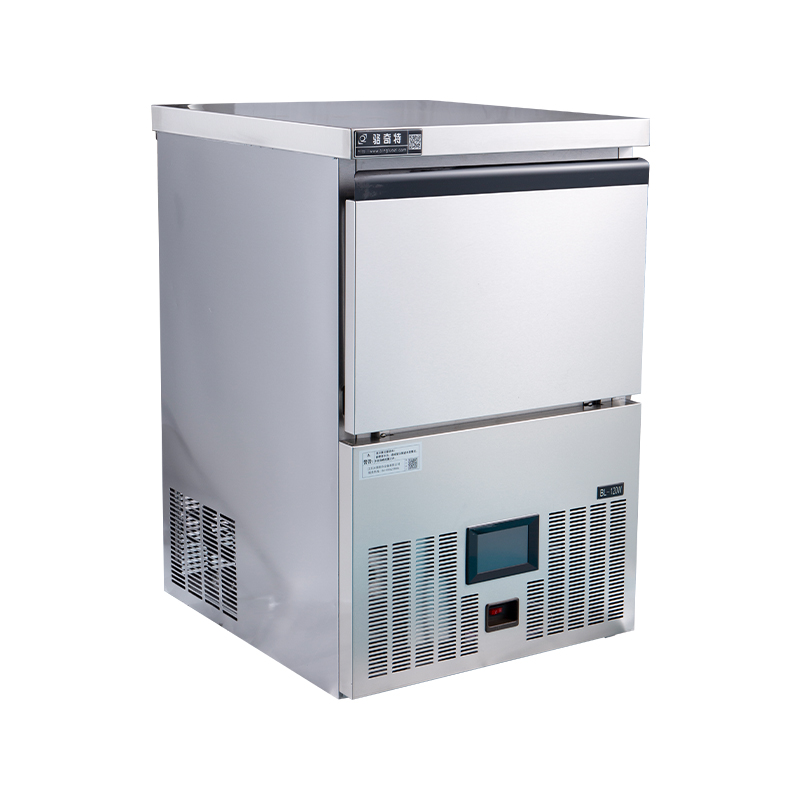 Ensiluokkainen Jumbo Cube -jääkone baareihin ja tasokkaisiin paikkoihin Tämä kone tekee kristallinkirkkaat 30 mm tai 50 mm kuutiot, jotka sulavat hitaasti ja sopivat ihanteellisesti cocktaileihin ja esityksiin. Siinä on hiljainen toiminta, UV-sterilointi ja kompakti muotoilu huippuluokan palveluympäristöihin. Näytä tuote →
 Leipomot ja jälkiruokakaupat use ice for display, cold storage, and sometimes for textured desserts like shaved ice or smoothies. Cube ice is not always the only requirement: some shops also need flake ice or snow ice. If a bakery runs an ice-cream dipping cabinet, cube ice for drinks is often a secondary function. For a dessert shop whose main line is shaved ice or ice-based desserts, a combination machine or a dedicated flake ice unit may be more appropriate.
Et voi valita konetta pelkästään tuotannon perusteella. Ilmavirran välys, vedenpaine, sähkönsyöttö ja tyhjennys muuttavat lopullisen valinnan.
Yleinen virhe on tilata koneeseen, joka on liian suuri. Tuotantomäärällä on väliä, mutta fyysisen koon ja pääsyn tulee vastata tilaa. Mittaa tiskin korkeus, oven aukko ja tuuletusreitti ennen malliin sitoutumista.
Jääkone menettää äänettömästi kapasiteettiaan, kun kalkki ja biofilmi kerääntyvät. Yleissääntönä on puhdistaa kone 2–6 viikon välein veden kovuudesta riippuen, desinfioida astia ja tarkastaa höyrystimen levy säännöllisesti.
Jos alueellasi on kovaa vettä yli 150 ppm, kalkki muodostuu nopeammin ja jääntuotanto laskee. Vedenpehmennin tai inline-suodatin on kannattava investointi. Koneita, joissa on irrotettavat osat ja helppo pääsy viemäriin, on helpompi käsitellä. Voit lukea lisää kaupallisen jääpalakoneen valinnasta ja ylläpidosta sivuiltamme täydellinen valinta- ja huolto-opas .
Veden laatu vaikuttaa myös jään kirkkauteen. Jos vesijohtovesi on kovaa, höyrystimeen kerääntyy kalkkia ja muodostuu sameaa jäätä. Yrityksille, jotka myyvät jäätä visuaalisena elementtinä – kuten huippuluokan baareissa tai jälkiruokakaupoissa – suihketyyppinen jääpalakone tuottaa selkeämpiä kuutioita ja vähemmän sameutta.
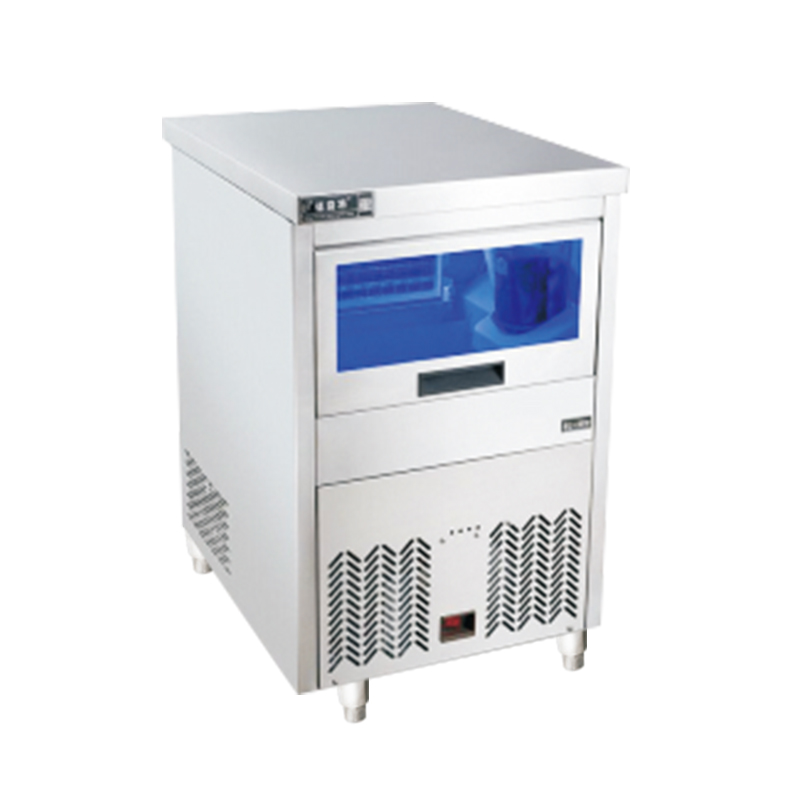
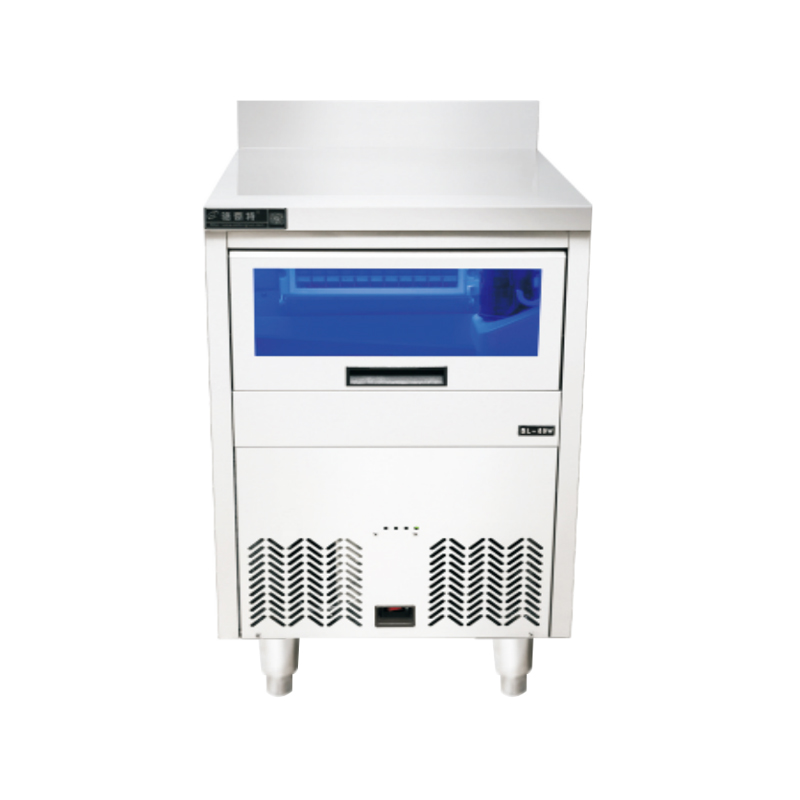 Spray-tyyppinen Clear Square -jääpalakone ruostumattomasta teräksestä valmistettulla alustalla Tämä spraytyyppinen kone tuottaa kirkkaita, tiheitä kuutioita, joissa on alhainen vesipitoisuus käyttämällä kansainvälisesti hankittuja komponentteja. Sen automatisoidut ohjaimet ja ruostumattomasta teräksestä valmistettu alusta takaavat baarien ja ravintoloiden hygieenisen toiminnan ja helpon huollon. Näytä tuote →
 Aloita huippupäivän jäätarpeesta ja sovita sitten säiliön kapasiteetti, kuution koko ja jäähdytystyyppi. Varmista tila, viemäri, vesi ja sähköolosuhteet ennen tilaamista. Tarkista lopuksi valmistajan myynnin jälkeinen tuki ja varaosien saatavuus. Kone, joka tuottaa 400 puntaa päivässä, ei ole hyvä valinta, jos se ei mahdu tiskin alle tai jos tyhjennys on liian korkea.
Lue tarkempi esittely teknisistä valinnoistamme kaupallisen jääpalakoneen osto-opas . Kaupallinen kuutiojääkone on pitkän aikavälin sijoitus. Valitse oikea kokoonpano ensimmäisellä kerralla, ja se maksaa itsensä takaisin palvelun luotettavuudessa.

Nro 8 Xinhua Road, Dianshanhu Town, Kunshan City, Suzhou, Jiangsun maakunta, Kiina
Call Us: +86-18217685733 / +86-18221531811
E-mail: [email protected] / [email protected]
Tekijänoikeudet © Jiangsu Bingluo jäähdytyslaitteet Co., Ltd. Kaikki oikeudet pidätetään. Kaupalliset jäähdytyslaitteiden ratkaisut